
Alan Morello: Business, Polo, and the Quiet Power of Presence
In British business circles, Alan Morello is known primarily as a company director — steady, measured, and long-established in his field. His professional footprint includes leadership at Morello International Limited, a firm operating within the industrial and materials-handling sector. It is a world defined by precision, engineering, logistics and long-term strategy.
But step away from warehouses and boardrooms, and another arena emerges — one edged not with steel, but with turf.
That arena is polo.
A Seat at the Heart of British Polo
Morello’s name is closely associated with Guards Polo Club, one of the most prestigious polo institutions in the United Kingdom. Situated in Windsor Great Park, the club occupies a unique place in British sporting life — blending heritage, elite competition, and an unmistakable social calendar.
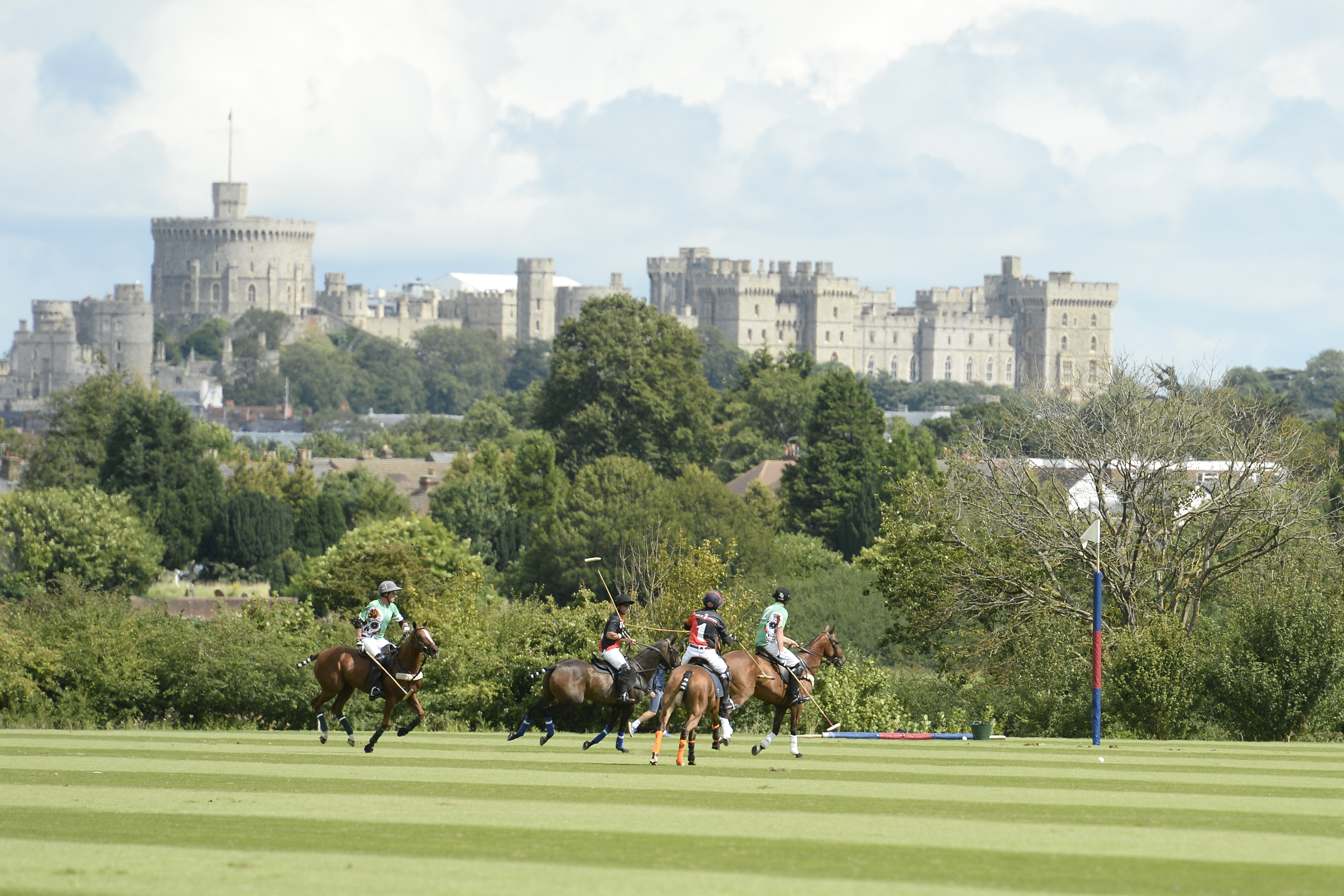
Alan Morello’s directorship within the club’s holding structure placed him at the administrative core of that world. It is the sort of role that rarely courts headlines, yet quietly shapes the direction of an institution.
Why Polo?
Polo has long attracted business figures. Its culture rewards:
-
Strategic thinking
-
Calm decision-making under pressure
-
Team coordination
-
Long-term investment
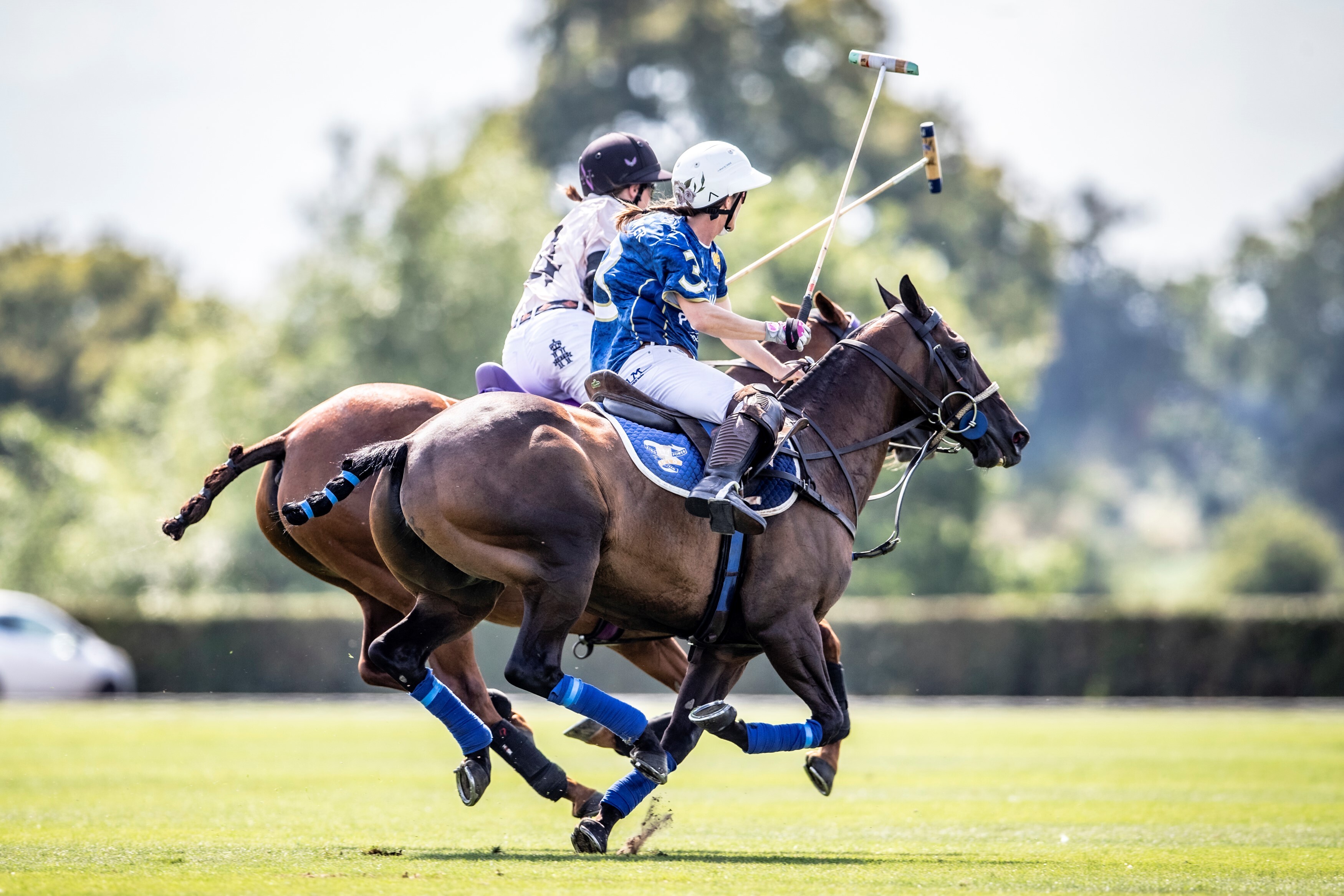
In many ways, the sport mirrors corporate leadership. Matches are fast, decisive and physically demanding — yet the ecosystem around them is built on relationships, sponsorships, and trust.
For someone like Morello, whose professional life revolves around structure and operational clarity, polo represents a complementary environment: dynamic on the field, disciplined behind the scenes.
Presence Without Noise
Unlike high-profile sporting patrons who seek public visibility, Morello’s association with polo appears consistent with his business reputation — understated, supportive, and embedded rather than performative.
Photographic records from polo events show him in attendance at matches and social functions, moving comfortably within the network that sustains the sport. Not as a headline-grabbing player, but as part of the fabric — the connective tissue between governance and community.
And that distinction matters.
Polo survives not solely on its star players, but on individuals who ensure that tournaments run, sponsors remain engaged, grounds are maintained, and traditions continue.
The Broader Pattern
Morello’s dual presence in industrial business and elite sport reflects a broader British tradition: commercial leaders lending expertise to heritage institutions.
There is symmetry in it.
-
Business builds infrastructure.
-
Polo preserves tradition.
-
Both require stewardship.
In an era when many historic sporting bodies struggle with modern financial realities, experienced directors bring stability. It is not glamorous work — but it is necessary.
Legacy in Motion
Alan Morello’s story is not one of flamboyant polo celebrity. It is something more grounded.
A businessman who understood systems.
A director who contributed to governance.
A participant in a sport that values continuity as much as competition.
Between board meetings and summer tournaments, between industrial engineering and Windsor turf, his profile illustrates how British business and British sport often intersect — not loudly, but enduringly.